
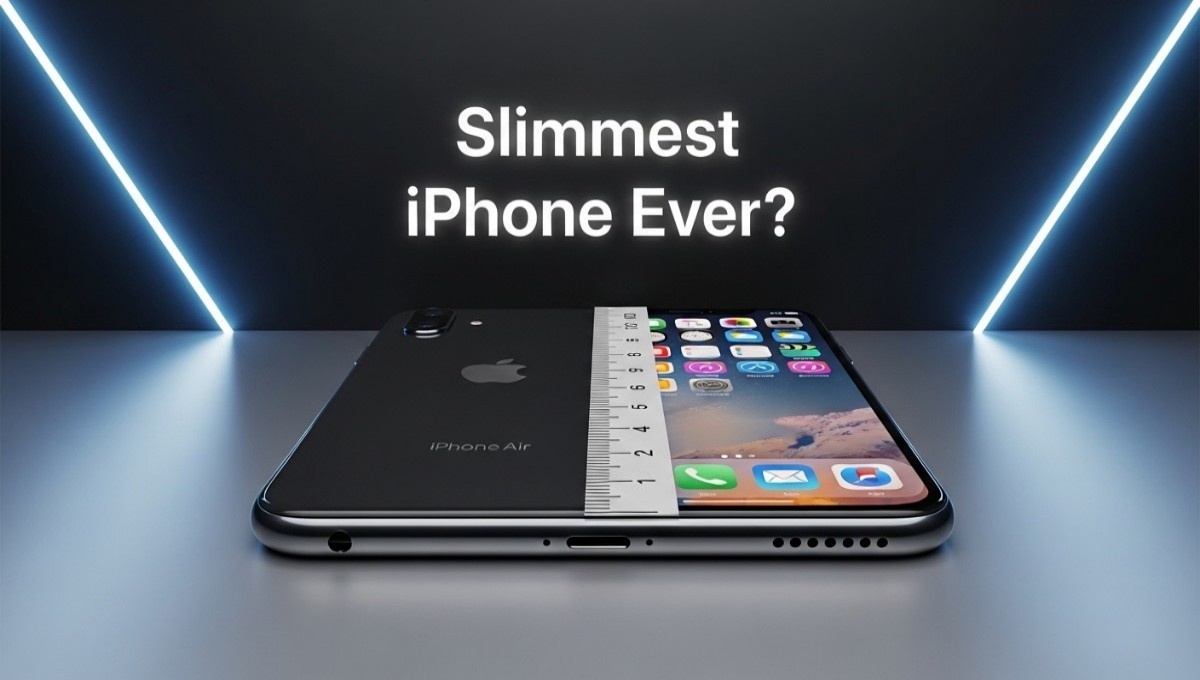
When Apple dropped the new iPhone Air, I honestly didn’t expect it to be this crazy. The hype was sky-high even before the launch, and when I finally held it in my hands, my reaction was just one word – unbelievable. Apple has always been known for premium design, but with the iPhone Air, they have literally set a new benchmark in the world of slim smartphones. If you loved the thin profile of the iPhone 6 back in the day, trust me, this one makes it look chunky. But wait, it’s not all smooth sailing, there are some compromises too. Let’s dive deep into everything you need to know.
Design and First Impressions
The iPhone Air is ridiculously slim at just 5.6mm thickness and weighs only 165 grams. The titanium frame gives it a solid yet lightweight feel, while the glass back adds that premium shine. Apple has also added a ceramic shield for better durability. In-hand experience is simply on another level – no other slim phone I’ve ever used comes close to this. The bezels are narrow, fully symmetrical, and the front looks super clean with a dynamic island display cutout.
Display Quality
Apple didn’t cut corners with the screen. The iPhone Air comes with a 6.5-inch OLED panel that supports 120Hz refresh rate. Peak brightness goes up to 3000 nits, which means outdoor visibility is outstanding. Watching videos, gaming, or just scrolling through apps feels buttery smooth. Color accuracy and contrast are among the best you can get, making this slim phone a proper multimedia beast.
Camera Performance
Here comes the surprising part. Even with a single rear lens, the iPhone Air packs a powerful 48MP Fusion camera. Portraits, low-light shots, and 2x zoom images all look sharp, natural, and vibrant. Edge detection in portrait mode is spot-on, while selfies are handled by an 18MP front shooter that even supports wide-angle shots and center stage recording. For videos, both front and back cameras can record 4K at 60fps with Dolby Vision support – something content creators will absolutely love.
Performance and Gaming
Under the hood, Apple has placed the new A19 Pro chip. On paper it looks like a tweaked version of the older A17, but still, the performance is blazing fast. Benchmarks touch over 2 million in AnTuTu, and gaming is buttery smooth at HDR + 60fps in popular titles like BGMI and COD Mobile. The rounded edges provide excellent grip, though the phone does get slightly warm during long sessions. Still, the gaming experience is way better than expected from such a thin device.
Battery and Charging
Here comes the biggest concern. The iPhone Air houses a 3149mAh battery, which is smaller compared to most flagships. Apple claims up to 27 hours of video playback, but heavy users might struggle to get through a full day. Fast charging up to 30W is supported, along with 20W wireless charging. It’s decent, but if you’re someone who watches a lot of movies or spends hours on social media, be ready to charge more often.
Speakers and Connectivity
Apple had to compromise with a single speaker setup to keep the phone ultra-slim. While it’s fairly loud, the stereo experience is definitely missing. Connectivity gets a boost with Apple’s new C1X modem and N1 wireless chip, which improves 5G, Bluetooth, and AirDrop speeds.
Price and Final Verdict
Starting at ₹1,20,000 for the 256GB variant, the iPhone Air clearly isn’t for everyone. If you’re looking for raw value, there are better options. But if you love slim, premium, futuristic designs and don’t mind spending big, this phone is in a league of its own. Apple has nailed the feel and style, but battery life, single speaker, and lack of an ultra-wide camera might disappoint some buyers. Still, one thing is clear – Apple has set a new benchmark for slim phones with the iPhone Air, and competitors will have a hard time catching up.
iPhone 17 Pro Max vs Galaxy S25 Ultra Camera Comparison – Which Phone Truly Wins?